Center Certification & Testing International
What is GCC Certification?
GCC certification is a mandatory certification system implemented by the Gulf Cooperation Council (GCC) for products entering the markets of its member countries, aiming to ensure that products meet regional unified technical specifications and safety standards. It is mainly applicable to the seven Gulf countries, namely the Kingdom of Saudi Arabia, the United Arab Emirates, Kuwait, Qatar, the Republic of Yemen, the Kingdom of Bahrain and Oman.

Which products need to apply for GCC certification
According to the requirements of the Gulf Standards Organization (GSO), the following thirteen categories of products need to apply for GCC certification:
1. Household electric fans;
2. Household refrigeration and freezing equipment such as refrigerators and freezers;
3. Centrifugal dryers or washing machines;
4. Food grinders and blenders, vegetable or fruit juicers;
5. Toasters;
6. Electric hairdressing equipment, hand dryers;
7. Household electric heating devices;
8. Microwave ovens;
9. Other electric stoves;
10. Instant electric water heaters or storage electric water heaters;
11. Electric irons;
12. Sockets, plugs, adapters, extended charging components and chargers;
13. Air conditioners.
What materials do companies need to prepare for GCC certification when their products are exported to the seven Gulf countries?
1. Application form;
2. Company information: including importer business license, manufacturer business license and trademark registration certificate;
3. Product information: including product manuals, product labels, electrical schematics, product structure diagrams, packaging color box diagrams, and product compliance declarations. It should be noted that product manuals and product labels must be marked in Arabic, or in Arabic and English at the same time.
What are the procedures for corporate products to apply for GCC certification?
1. Submit technical documents and declaration of conformity to obtain the GSO consistency traceability mark (GCTS, GSO Confomiy Tracking Symbol). The GCTS mark contains a G-Mark and a QR Code;
2. Add GCTS and QR Code to the product label to obtain the GCC certificate.

Label printers entering the Brazilian market, ANATEL certification is an essential passport! It is the recognition of the Brazilian Telecommunications Authority for the safety and compliance of electronic products, without which products cannot be legally sold.
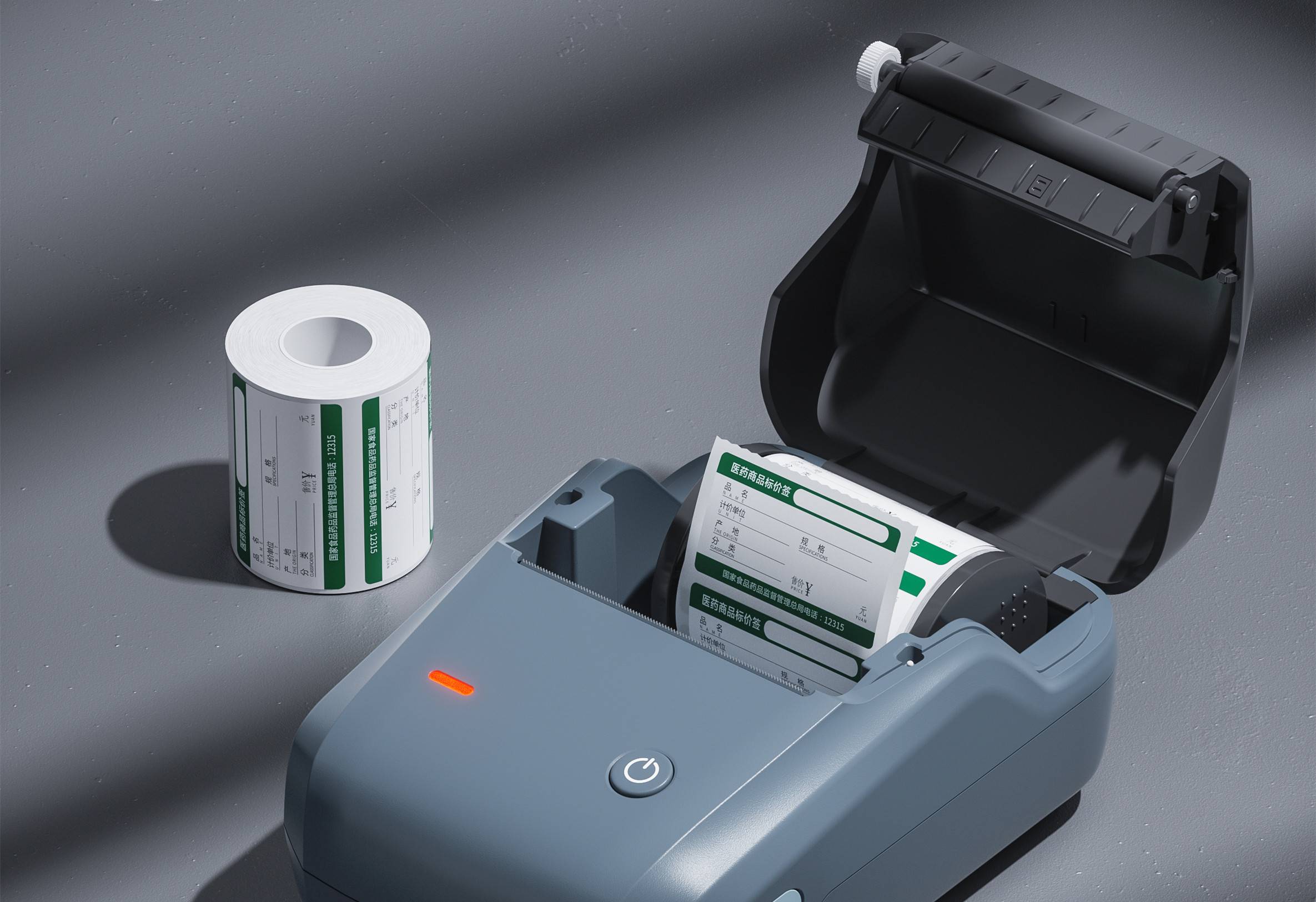
SRRC certification is not only a guarantee of product compliance, but also a key to opening up the market.
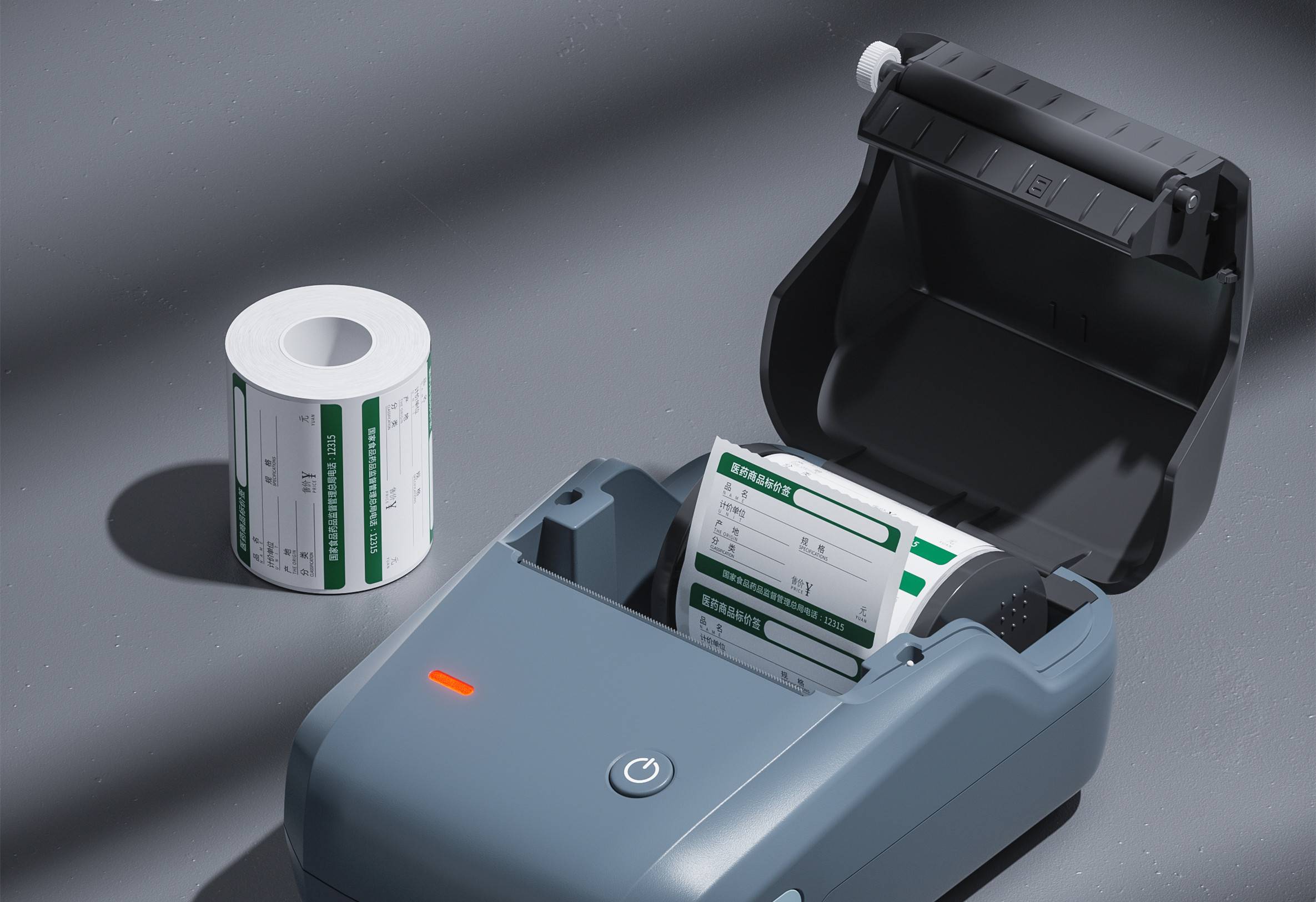
FCC ID certification is a mandatory certification for electronic products by the Federal Communications Commission (FCC) in the United States, and it is essential for label printers to obtain this certification.
GCC certification is a mandatory certification system implemented by the Gulf Cooperation Council (GCC) for products entering the markets of its member countries, aiming to ensure that products meet regional unified technical specifications and safety standards. It is mainly applicable to the seven Gulf countries, namely the Kingdom of Saudi Arabia, the United Arab Emirates, Kuwait, Qatar, the Republic of Yemen, the Kingdom of Bahrain and Oman.
Get a quote

Tik Tok