Center Certification & Testing International
With the continuous expansion of the twist-off car market, safety issues have also drawn increasing attention. The Consumer Product Safety Association (CPSC) of the United States clearly stipulates that all twist-off cars sold in the US market must comply with the UL2272 circuit system certification standard, and their lithium batteries must pass the UL2271 new standard certification as well as the UN38.3 certification. The UL2271 standard is specifically designed for lithium batteries used in twist cars, ensuring their safety during the design, production and usage processes. These certifications not only enhance the overall safety performance of the products, but also safeguard the lives and property of consumers.
Compliance is mandatory: The Consumer Product Safety Association (CPSC) of the United States stipulates that the batteries of all balance scooters and torsion scooters sold in the United States must comply with the UL2271 standard, making UL2271 a mandatory requirement for entering the US market.
2. Market entry threshold: Batteries without UL2271 certification cannot be sold on e-commerce platforms such as Amazon. This means that products that do not meet the standards will be restricted from sale, affecting the market opportunities of manufacturers.
3. Standardization of production processes: Manufacturers need to prepare detailed documents, including battery specification sheets, protection board circuit diagrams, PCB layouts, etc., to prove that their products meet the standards. This promotes the standardization of production processes and quality control.
1. Application: Select a qualified institution, prepare 9 types of materials (such as specification sheets, circuit diagrams), sign an agreement and pay the first fee;
2. Testing: Prepare 20 prototypes and conduct three types of tests: electrical, mechanical, and environmental. If they fail, rectification is required.
3. Audit: Review the consistency of materials and data. For batch enterprises, factory audits may be required.
4. Certification: Certificates will be issued upon approval. The regular cycle is 4 to 8 weeks. After certification, compliance marking and changes need to be applied for in advance.
If you need to know more about the UL2271 process or handle related certifications, please feel free to consult us!
Label printers entering the Brazilian market, ANATEL certification is an essential passport! It is the recognition of the Brazilian Telecommunications Authority for the safety and compliance of electronic products, without which products cannot be legally sold.
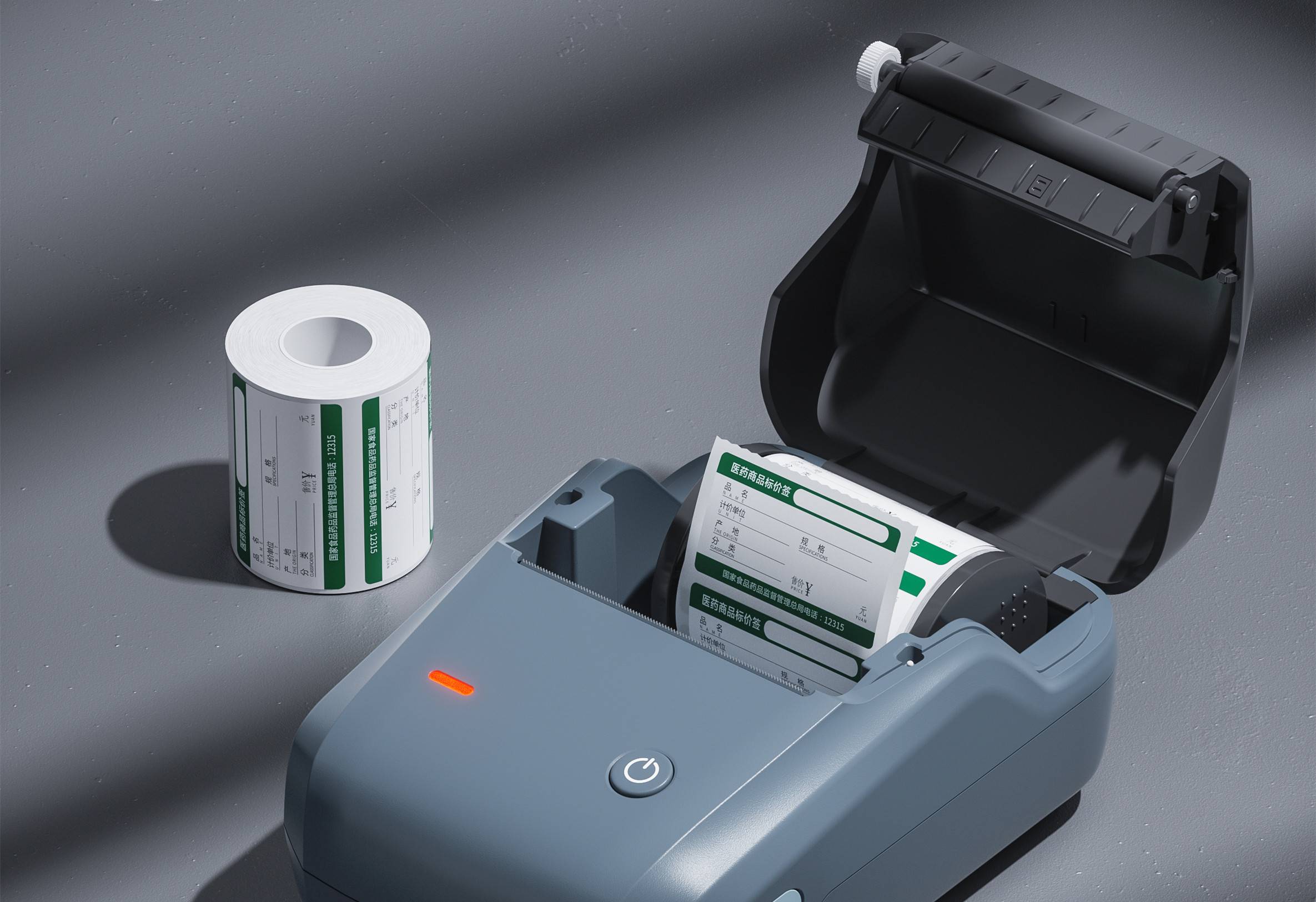
SRRC certification is not only a guarantee of product compliance, but also a key to opening up the market.
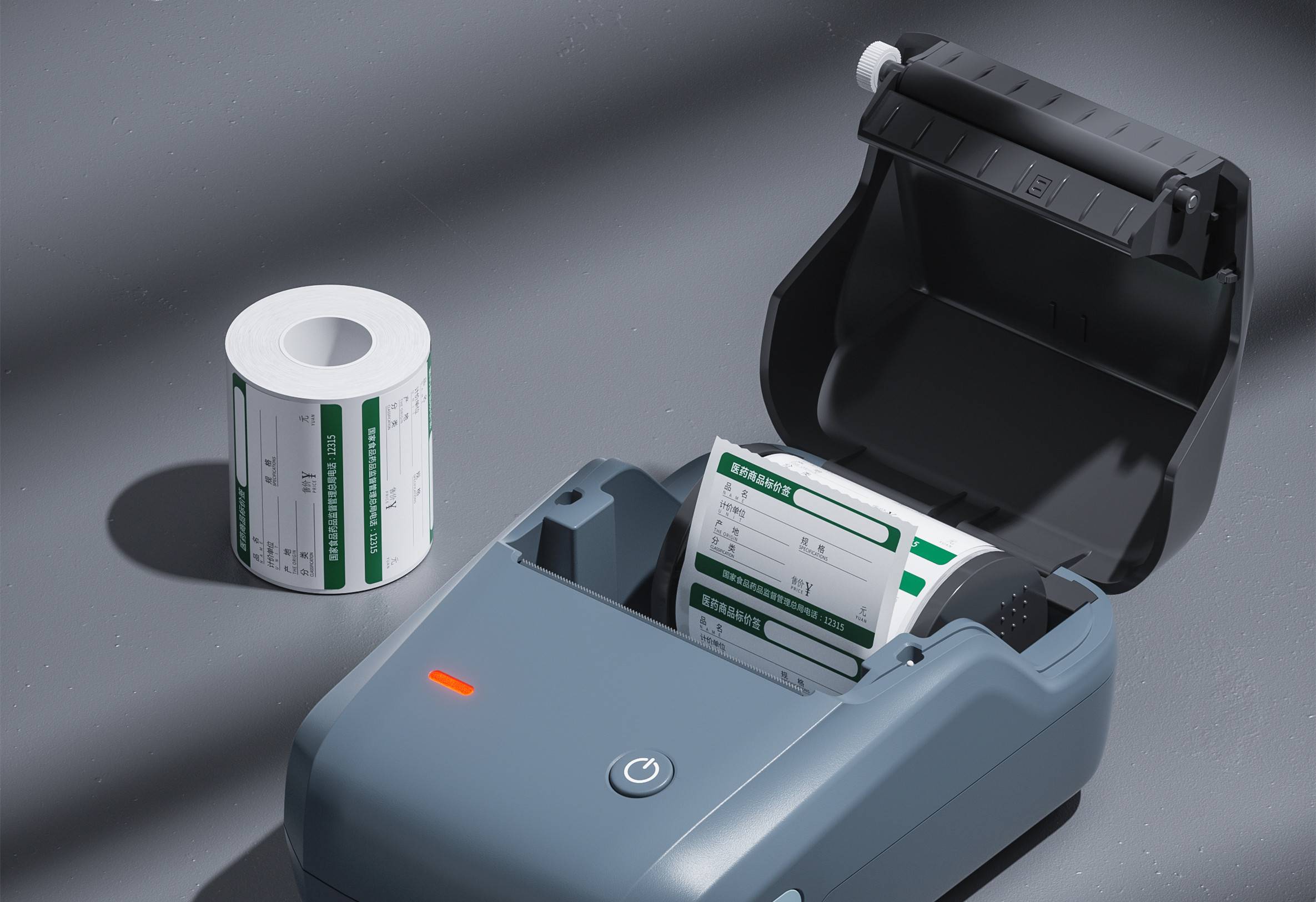
FCC ID certification is a mandatory certification for electronic products by the Federal Communications Commission (FCC) in the United States, and it is essential for label printers to obtain this certification.
The UL2271 standard is specifically designed for lithium batteries used in twist cars, ensuring their safety during the design, production and usage processes. These certifications not only enhance the overall safety performance of the products, but also safeguard the lives and property of consumers.
Get a quote

Tik Tok