Center Certification & Testing International
In the production and sale of Bluetooth speakers, NCC (National Communications Commission) certification is a crucial step to ensure their legality and security. As short-range and low-power radio frequency devices, Bluetooth speakers need to comply with the LP0002 standard of Taiwan region. The certification process involves rigorous RF performance tests, such as transmission power, transmission bandwidth, transmission channel, occupation time and spurious emissions, to ensure no interference with other wireless systems. Electromagnetic compatibility testing is also a key point to ensure that the speaker does not interfere with other devices during use. Safety testing ensures that the equipment has no electrical or thermal safety hazards.
When applying for NCC certification, it is usually necessary to provide one set of normal prototypes, one set of fixed-frequency conduction mode prototypes and one set of fixed-frequency radiation mode prototypes. The normal prototype is used for electromagnetic compatibility testing, while the conducted fixed-frequency prototype is used for routine RF testing, and the radiated fixed-frequency prototype is used for stray emission testing to ensure that the product meets the requirements of RF and electromagnetic compatibility. Preparing these three sets of prototypes is a key step to successfully pass the NCC certification.
1. Document preparation: Organize product manuals, circuit diagrams, PCB diagrams, lists of key components and other materials;
2. Sign a contract: Select a qualified testing institution and sign a contract to clearly define the requirements, fees, and rights and responsibilities.
3. Case Opening Application: Submit the application form and prepared materials. After review by the institution, the case will be opened.
4. Sample testing: Send the sample machine to the laboratory and complete the testing in accordance with the standards.
5. Report Review: The laboratory issues the report and submits it for review (checking the process and data compliance).
6. Certification: The NCC certificate will be issued after the review is passed
If you need to know more about the NCC certification process or handle related certifications, please feel free to consult us!
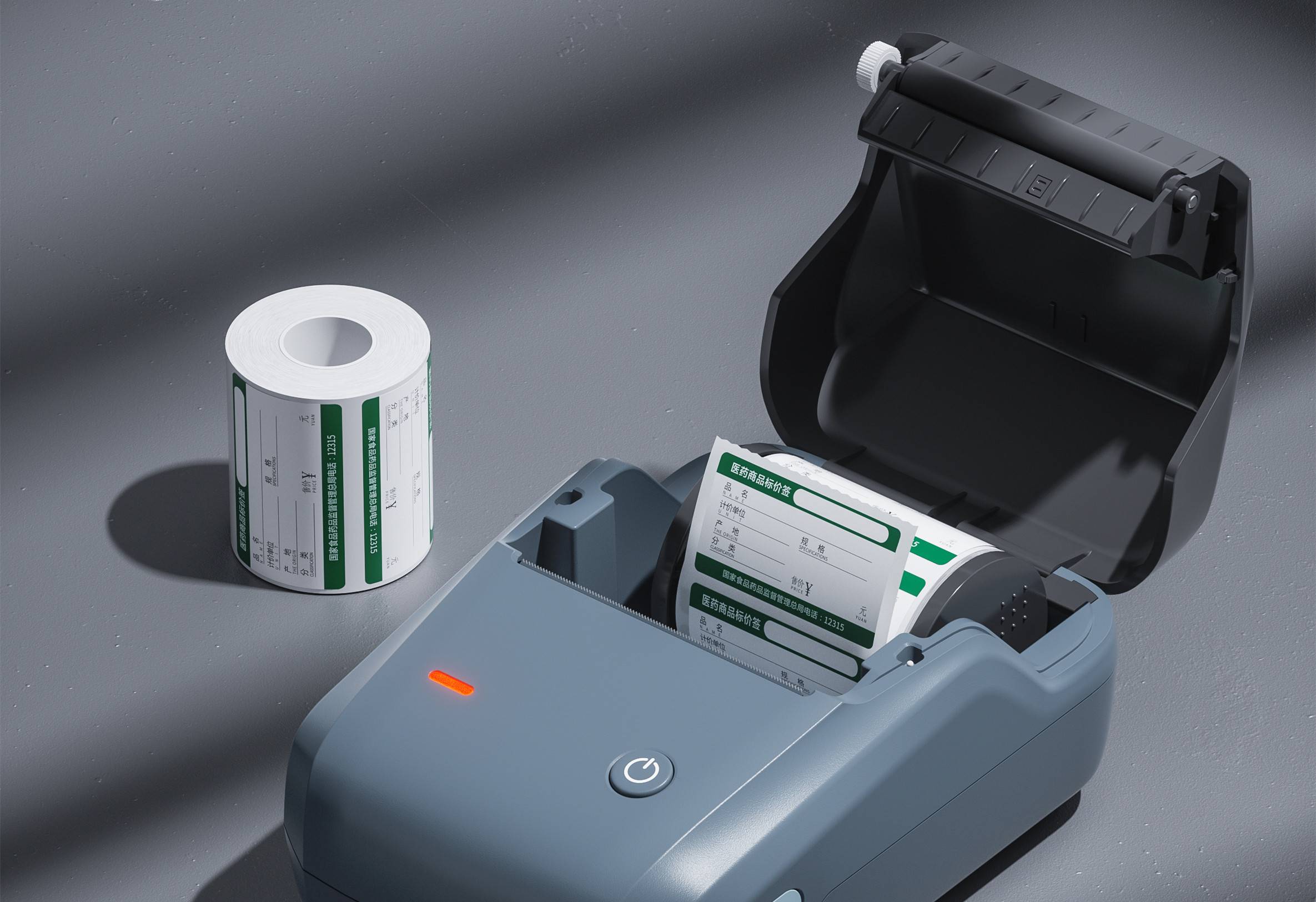
Label printers entering the Brazilian market, ANATEL certification is an essential passport! It is the recognition of the Brazilian Telecommunications Authority for the safety and compliance of electronic products, without which products cannot be legally sold.
SRRC certification is not only a guarantee of product compliance, but also a key to opening up the market.
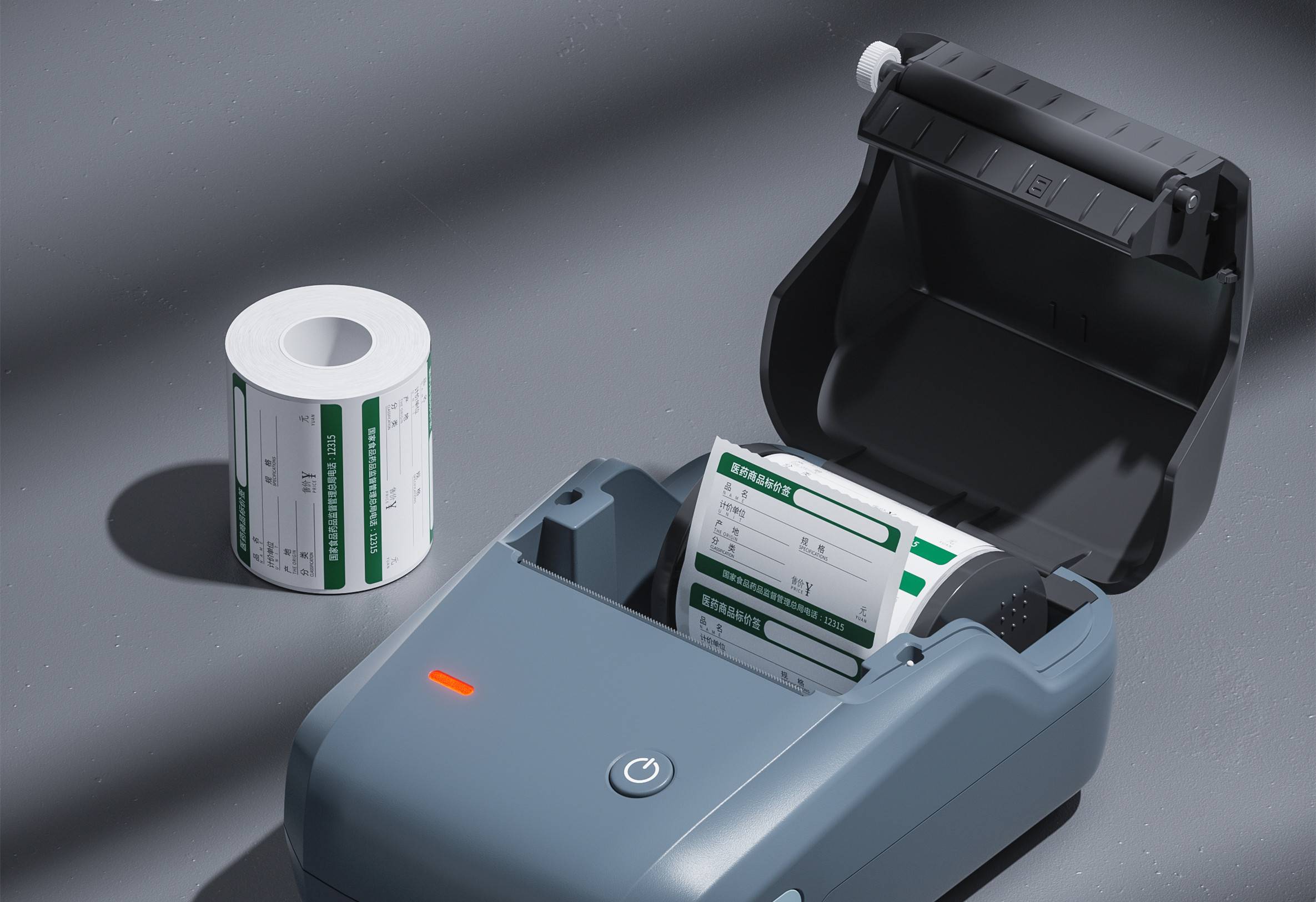
FCC ID certification is a mandatory certification for electronic products by the Federal Communications Commission (FCC) in the United States, and it is essential for label printers to obtain this certification.
Bluetooth speakers marketed in Taiwan, China must obtain certification overseen by the \"National Communications Commission (NCC)\" of Taiwan, China. This constitutes a core requirement to ensure the compliance and safety of the product’s wireless communication functions, as well as to prevent interference with other wireless systems.
Get a quote

Tik Tok