Center Certification & Testing International
Certification Introduction
The CB system (IEC system for conformity testing and certification of electrical products) is an international system operated by IECEE. The certification bodies of IECEE member countries test the safety performance of electrical products based on IEC standards. The test results are the CB test report and CB The test certificate is a system recognized by each member of IECEE. The purpose is to reduce the barriers to international trade arising from the need to meet the certification or approval criteria of different countries. IECEE is the abbreviation of the International Electrotechnical Commission's organization for conformity testing and certification of electrical products.
CB member countries
The CB system provides manufacturers with an easy way to obtain multi-national safety certification for their products, so that their products can enter more than 60 countries, and this number will continue to grow, including
Argentina, Australia, Austria, Belarus, Belgium, Brazil, Canada, China, Czech Republic, Germany, Single Buy, Spain, Finland, France, United Kingdom, Greece, Hungary, India, Ireland, Israel, Italy, Japan, South Korea, Netherlands, New Zealand , Poland, Portugal, Russia, Romania, Singapore, Slovakia, Slovenia, South Africa, Turkey, Ukraine, United States, Yugoslavia, Switzerland, Malaysia, Sweden, Thailand, UAE, Saudi Arabia, Bulgaria, Uruguay
CB report
The CB report is a standardized report that lists the requirements of the relevant IEC standards in the form of a list by item. The report reflects the results of all tests, tests, verifications, inspections and assessments required by the standard. These results should be clear and unambiguous. The report contains photos, country differences, terms and conditions, and product descriptions. According to the rules of the CB system, the CB test certificate is only valid when provided with the CB test report, and the CB has no mark.
application process
1. Regarding the application of the CB test certificate, the following points should be noted:
a. The application for the CB test certificate can be submitted by the applicant to any "certification / approval" NCB covering the product range;
b. The applicant can be either a manufacturer or an entity authorized to represent the manufacturer;
c. The application may include one or more factories producing products in one or more countries.
d. Applicants / manufacturers / factories located in countries without IECEE member institutions are required to pay an additional fee of 150 Swiss francs per CB test certificate to compensate for the operating cost of the system. This fee is paid by the NCB that accepts the CB test Charged, and will be credited to the IECEE account.
e. The applicant can request NCB to test the product according to the country difference of the country where the product is sold.
2. Manufacturers to obtain product certification in the target market include the following procedures:
a. Submit an application to the NCB of the target country;
b. CB test certificate;
c. CB test report (may include country differences);
d. When required by the NCB of the target market, provide product samples to it;
The purpose of requesting samples is to confirm that the product is consistent with the product that was originally certified by the NCB test, and has covered national differences.
3. Country differences
National differences are the differences between a country ’s standards or regulations and corresponding international standards. All national differences in countries that have joined the CB system are submitted to the IECEE secretariat and published in the CB bulletin.
Application materials
1. Application form
2. Circuit schematic diagram, PCB Layout diagram
3. Nameplate
4. English manual
5. List of key parts
6. Trademark statement (if any)
7. Transformer and inductor specifications
8. Model list (series)
9. Product photos
10. Compliance with standard safety test report
Label printers entering the Brazilian market, ANATEL certification is an essential passport! It is the recognition of the Brazilian Telecommunications Authority for the safety and compliance of electronic products, without which products cannot be legally sold.
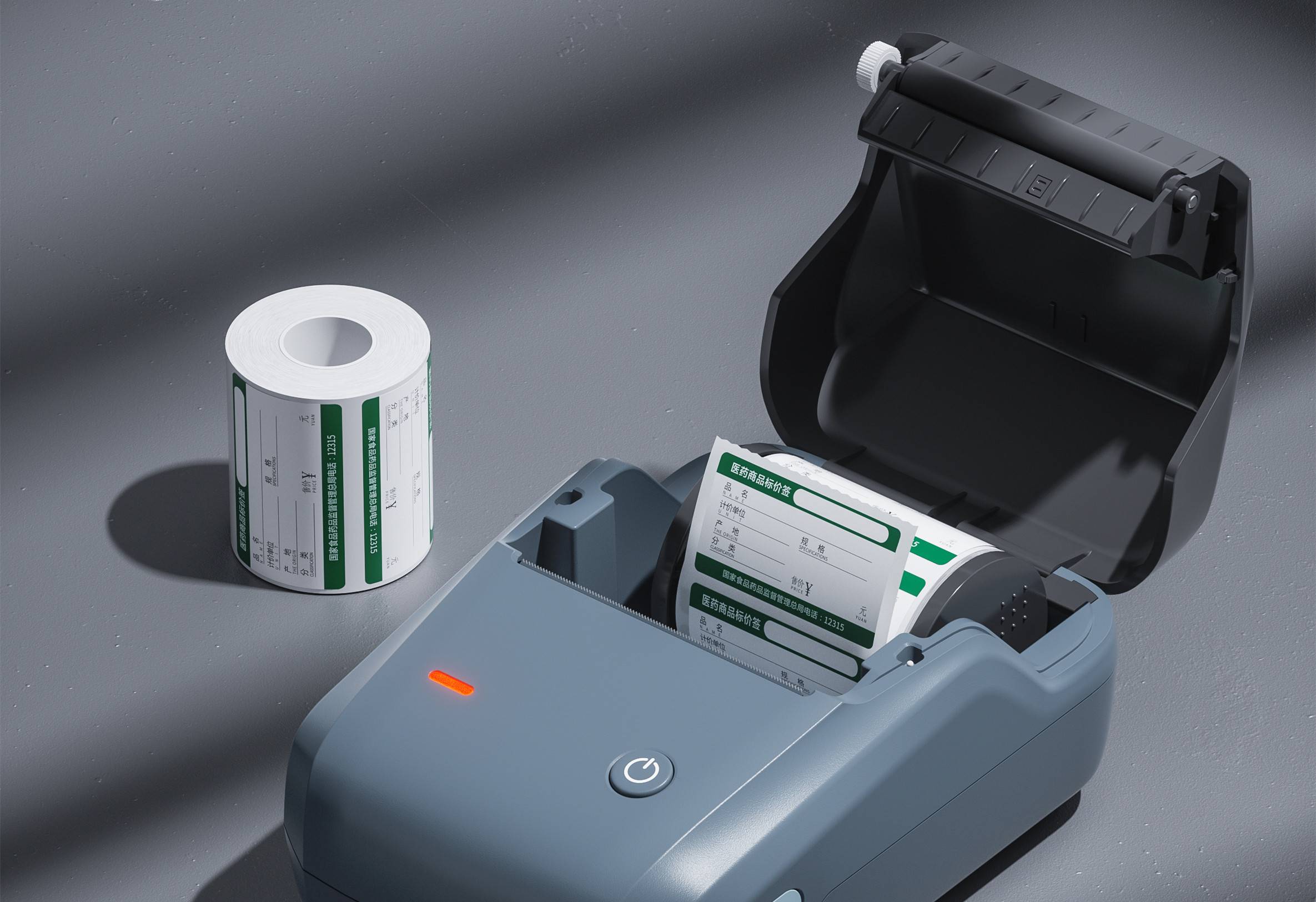
SRRC certification is not only a guarantee of product compliance, but also a key to opening up the market.
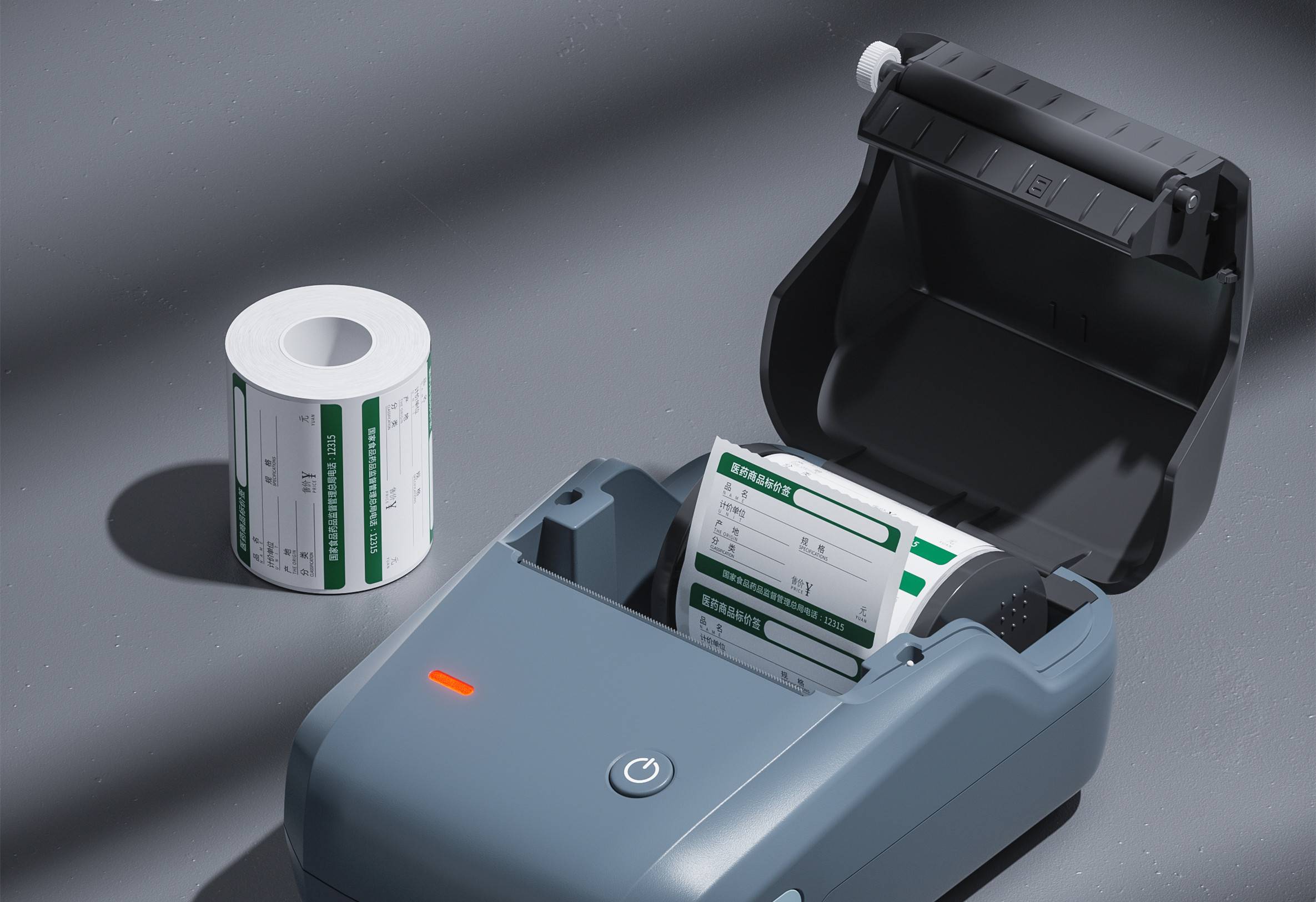
FCC ID certification is a mandatory certification for electronic products by the Federal Communications Commission (FCC) in the United States, and it is essential for label printers to obtain this certification.
The CB system (IEC system for conformity testing and certification of electrical products) is an international system operated by IECEE. The certification bodies of IECEE member countries test the safety performance of electrical products based on IEC standards.
Get a quote

Tik Tok