Center Certification & Testing International
The TELEC certification for children's watches is a necessary condition for this product to enter the Japanese market. TELEC (Telecom Engineering Center) certification is a mandatory certification for wireless equipment in Japan, aimed at ensuring that the equipment complies with Japanese radio regulations.
1. Legitimacy requirements. The Japanese market has strict regulations on wireless devices, and TELEC certification is a mandatory certification for children's watches entering the Japanese market. Products that have not passed certification cannot be legally sold in Japan.
2. The key to market access. TELEC certification is the "passport" for children's watches to enter the Japanese market. Certification not only enables products to enter the Japanese market smoothly, but also enhances their market competitiveness and earns consumer trust.
3. Guarantee of consumer trust. Children's watches usually involve wireless communication functions, and consumers have high requirements for their safety and performance. Products certified by TELEC demonstrate compliance with Japanese radio frequency management regulations and communication standards, effectively ensuring consumer safety and user experience.
1. Prepare a complete machine schematic, circuit diagram, block diagram, and circuit description, which can clearly demonstrate the circuit design and working principle of the watch.
2. An English or Japanese user manual and operating instructions are required.
3. A BOM table is also required, detailing all components and their specifications of the watch, to facilitate the auditing agency's understanding of the product's composition.
If the watch includes a wireless communication module, additional module schematics, module block diagrams, and module specifications should be prepared to illustrate the characteristics of the module.
5. It is necessary to submit the factory ISO9001 certificate to prove that the production process complies with international standards and reflects the reliability of product quality.
6. The antenna specification sheet is also indispensable, which should include information such as antenna pattern, size, gain, etc. That's all for today's sharing. If you want to learn more about TELEC certification or have any other questions, please feel free to consult.

Label printers entering the Brazilian market, ANATEL certification is an essential passport! It is the recognition of the Brazilian Telecommunications Authority for the safety and compliance of electronic products, without which products cannot be legally sold.
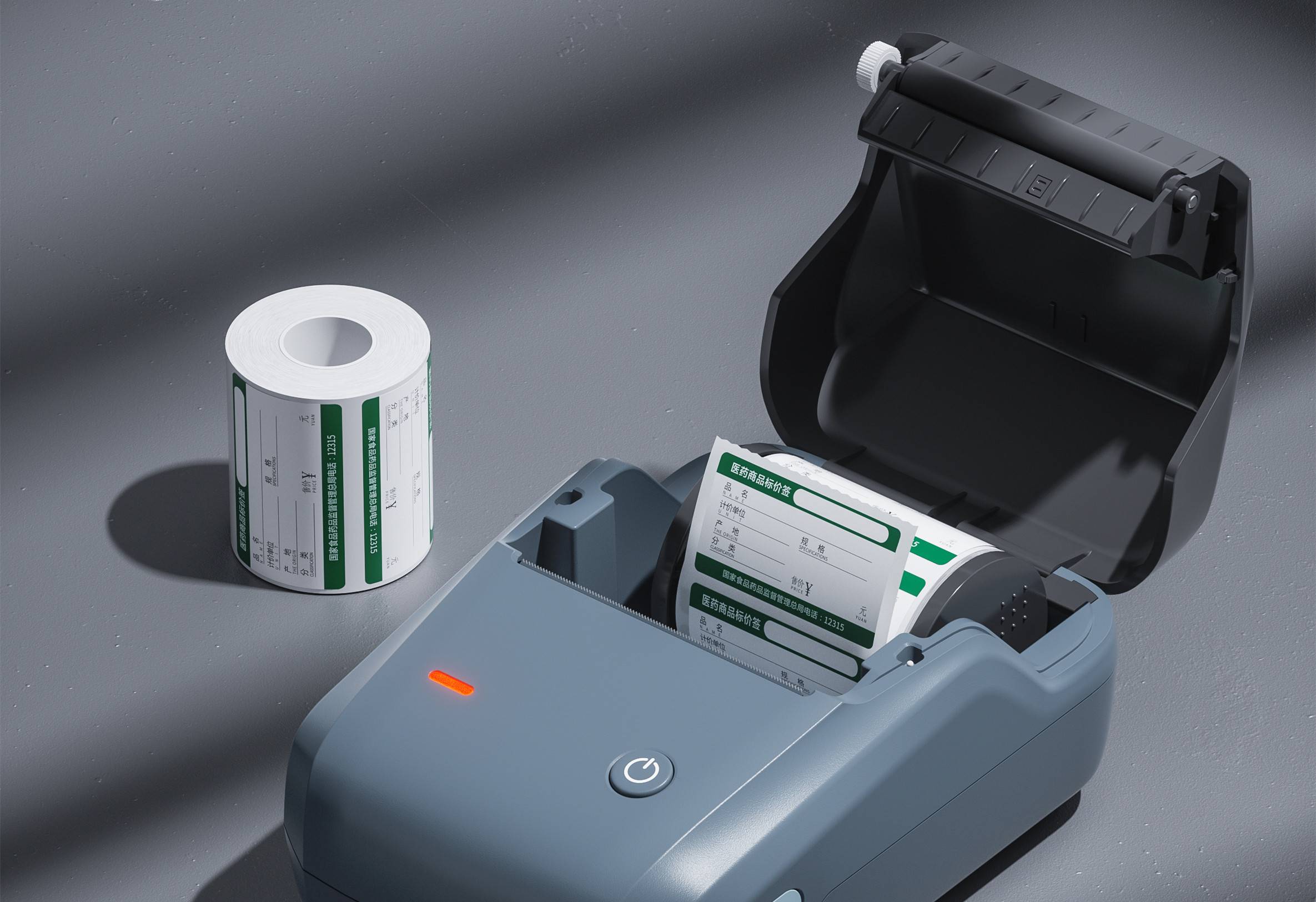
SRRC certification is not only a guarantee of product compliance, but also a key to opening up the market.
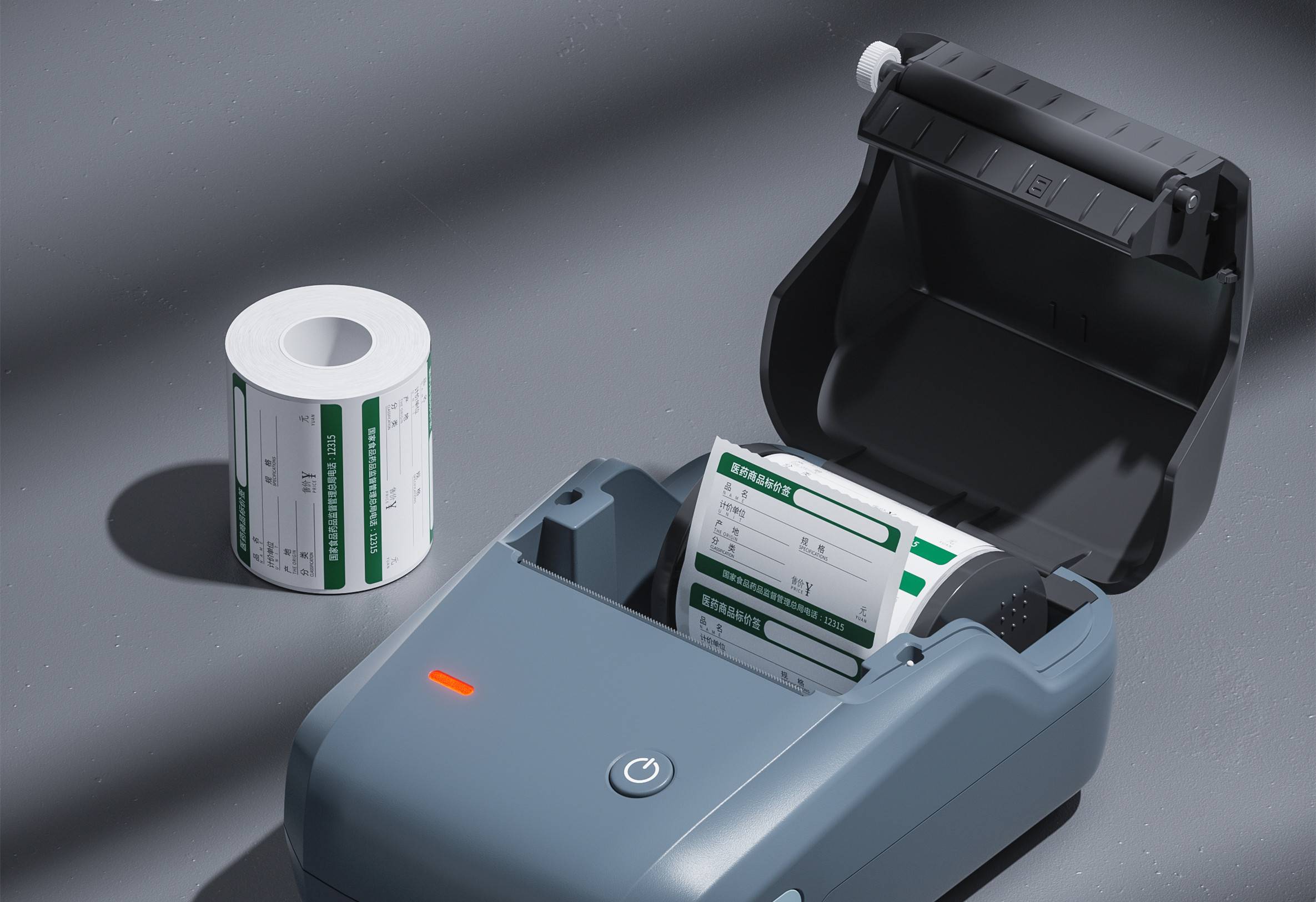
FCC ID certification is a mandatory certification for electronic products by the Federal Communications Commission (FCC) in the United States, and it is essential for label printers to obtain this certification.
The TELEC certification for children\'s watches is a necessary condition for this product to enter the Japanese market. TELEC (Telecom Engineering Center) certification is a mandatory certification for wireless equipment in Japan, aimed at ensuring that the equipment complies with Japanese radio regulations.
Get a quote

Tik Tok