Center Certification & Testing International

Project Introduction
The combined temperature and humidity cycle test is to expose the sample to a test environment where the temperature and humidity are alternately set, and to evaluate the changes in the functional characteristics of the sample after temperature or humidity environment cycling or storage.
The environment in which the products are stored and worked has a certain temperature and humidity, and will continue to change. For example: the temperature difference between day and night, different humidity at different temperatures and different times, the product passes through regions with different temperatures and humidity during transportation. This alternating temperature and humidity environment will affect the performance and life of the product and accelerate the aging of the product. The temperature and humidity cycle simulates the temperature and humidity environment of product storage and operation, and checks whether the product is affected within a certain period of time under this environment.
Test purposes
Verify the ability of products and materials to withstand environmental changes under high and low temperature and atmospheric humidity conditions.
The purpose of high and low temperature cycle test: to examine the effect of thermal stress on product performance after long-term cold and hot temperature alternation.
The purpose of the damp heat test: to examine the deterioration characteristics of the product when subjected to high temperature and high humidity environment, to evaluate the moisture absorption characteristics, dew condensation characteristics of the material, and the storage and use performance of the product in a hot and humid environment.
Application range
The temperature and humidity cycle test is mainly aimed at instrumentation materials, electrical, electronic products, household appliances, auto parts, chemical coatings, aerospace products and other related product parts.
Failure effect
Main effects of temperature and humidity cycle:
· The material absorbs water and swells
· Loss of physical strength
· Changes in chemical properties
· Insulation performance degradation
· Corrosion of machine parts and failure of lubricant
· Oxidation effect of materials
· Loss of plasticity
· Accelerate chemical reactions
· Degradation of electronic components
Method Standard
Standard reference for temperature and humidity cycle test: GB/T 2423.34, IEC 60068-2-38, EN 60068-2-38, etc.

Label printers entering the Brazilian market, ANATEL certification is an essential passport! It is the recognition of the Brazilian Telecommunications Authority for the safety and compliance of electronic products, without which products cannot be legally sold.
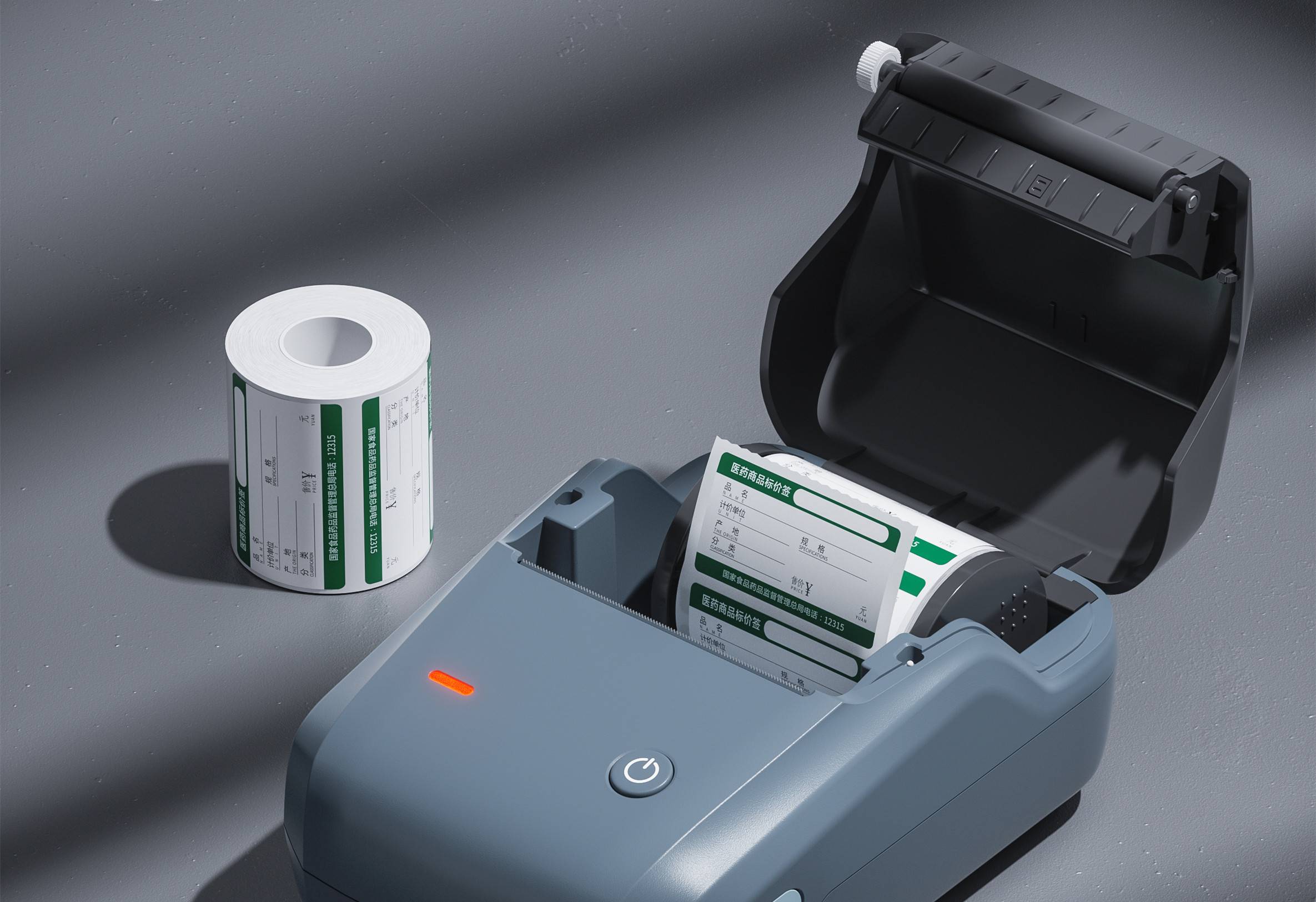
SRRC certification is not only a guarantee of product compliance, but also a key to opening up the market.
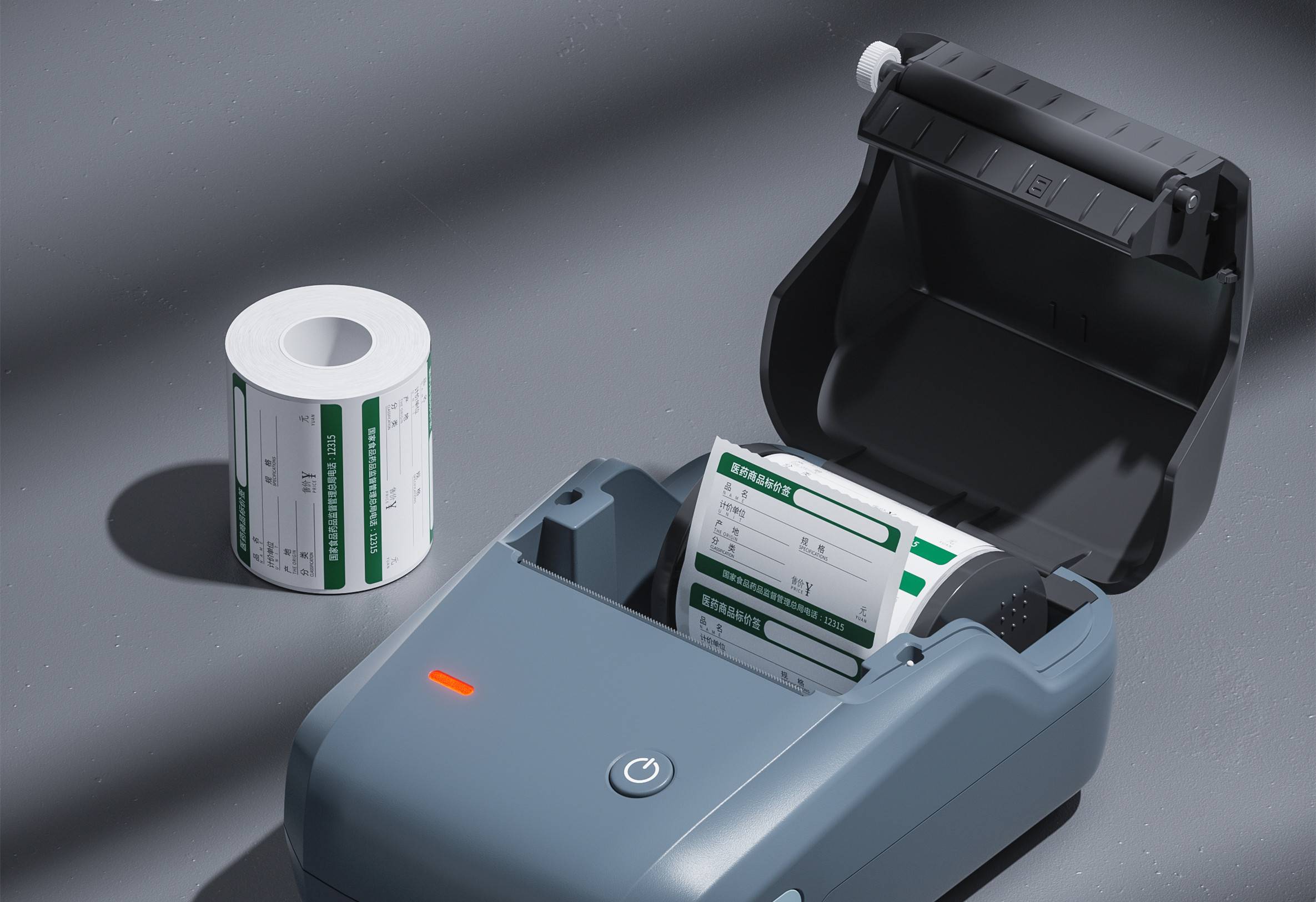
FCC ID certification is a mandatory certification for electronic products by the Federal Communications Commission (FCC) in the United States, and it is essential for label printers to obtain this certification.
The combined temperature and humidity cycle test is to expose the sample to a test environment where the temperature and humidity are alternately set, and to evaluate the changes in the functional characteristics of the sample after temperature or humidity environment cycling or storage.
Get a quote

Tik Tok