Battery products are very popular in the European Union. The export of battery products to the EU requires CE certification. The CE certification directive for batteries is 2006/66/EC, the battery EMC directive EN61000 battery safety standards: EN62133, EN60950. 2006/66/EC directive The battery products are divided into four categories: portable batteries, button batteries, industrial batteries and automotive batteries.
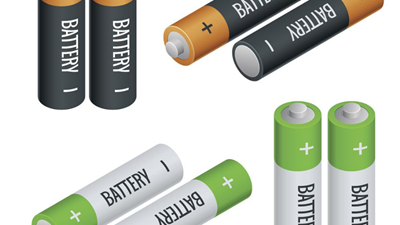
The 2006/66/EC Directive bans certain mercury and cadmium-containing batteries and accumulators from being sold on the market in order to protect the environment, and also strives to promote high collection and recycling rates of waste batteries and accumulators, and combine all of them with batteries and accumulators. Actors related to the battery life cycle, such as manufacturers and distributors, especially operators directly related to the disposal and recycling of waste batteries and batteries, are included in the scope of investigation.
The purpose of the instruction:
The directive aims to reduce the production of hazardous batteries and accumulators, increase the rate of recovery, treatment and recycling of used batteries and accumulators, and increase the amount of waste collected and recycled from batteries and accumulators.
Product range covered by the directive:
The directive covers all types of batteries (except for batteries used in security and military equipment of member states, and batteries used in space). Compared with the directive 91/157/EEC which only applies to old batteries containing certain cadmium, mercury and lead, the scope has been expanded.
Battery CE certification process:
Step 1: The applicant fills in the application form and provides products
Step 2: The testing agency determines the testing cost based on the products provided
Step 3: After asking people to confirm the quotation, sign the application form and service agreement, pay the full project fee, and prepare the test samples
Step 4: Pass the test and issue a certificate
ZRLK has focused on testing and certification of batteries and peripheral consumer products for 15 years, always paying attention to changes in national regulations, and providing customers with one-stop certification services in multiple countries and regions to ensure that your products quickly enter the target market. If you need to apply for CE certification or want to know more related information, you can call ZRLK to inquire about related services.