The RCM certification is a mandatory compliance mark for electrical and electronic products in Australia and New Zealand. As a wearable device integrating wireless communication and health monitoring functions, smart rings must obtain this certification to enter the Australian and New Zealand markets.
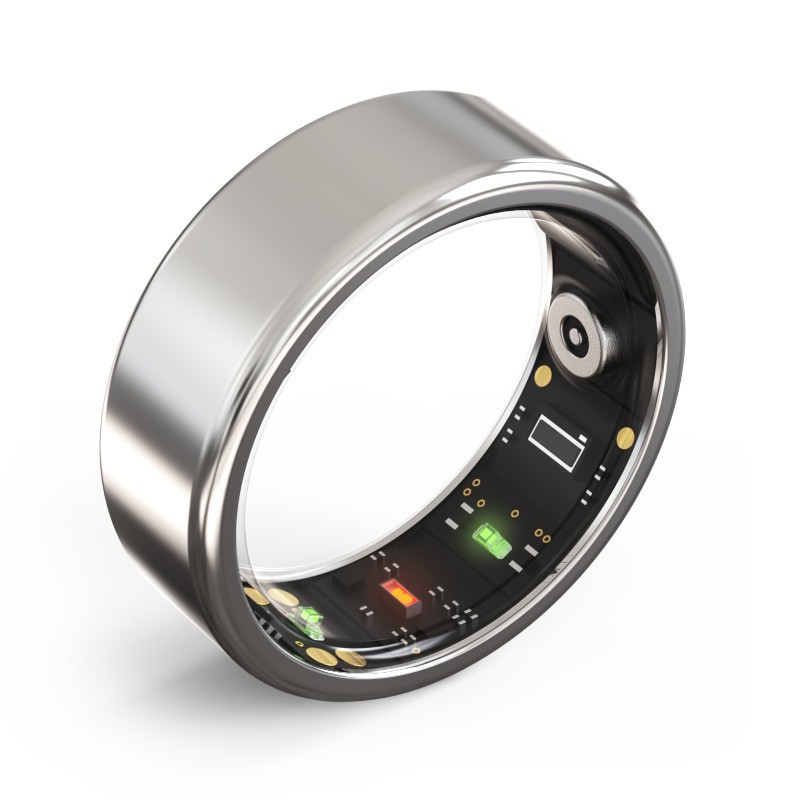
I. Core Requirements for Certification: Safety and electromagnetic compatibility are the foundation
1. Electrical Safety:
It is necessary to pass standards such AS AS/NZS 62368.1, with a focus on verifying battery safety (for example, lithium batteries need to comply with AS/NZS 62133), insulation protection and anti-electric shock design to ensure that users have no safety hazards during charging or use.
2. Electromagnetic Compatibility (EMC) :
The conducted/radiated interference and anti-interference capability were evaluated based on tests such AS AS/NZS CISPR 32. For example, the Bluetooth module needs to ensure that the signal transmission does not interfere with other devices, and at the same time be able to resist the influence of the external electromagnetic environment.
If medical-grade functions (such as ECG) are involved, additional certification by the Australian TGA is required, while general health monitoring (such as steps count and sleep) does not.
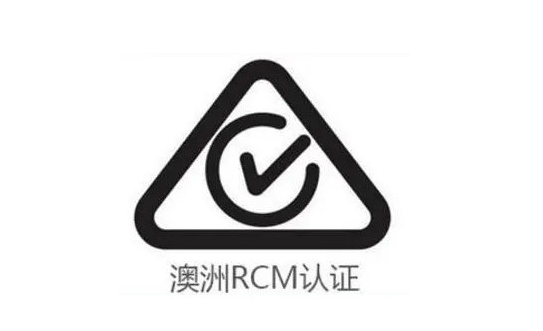
Ii. Certification Process: Four steps to complete compliance access
1. Pre-test and rectification: Select an Australian-recognized laboratory (such as SGS) to conduct EMC and safety pre-tests. Common issues include excessive Bluetooth radiation and insufficient battery protection, which require targeted optimization and design.
2. Formal testing and report: After the completion of all project tests, the laboratory will issue a report that complies with the AS/NZS standards. High-risk products with wireless functions need to be submitted simultaneously to the Australian EESS database.
3. Local representative application: The RCM must be applied for through a local Australian company as the compliance responsible person, submitting technical documents and test reports. The process takes approximately 4 to 6 weeks, and the cost fluctuates with the complexity of the product (about 3,000 to 8,000 Australian dollars).
4. Affixing the mark and listing: After the certification is passed, the product must be marked with the RCM mark and certificate number before it can be legally sold in Australia and New Zealand. Uncertified products will face detention or fines.