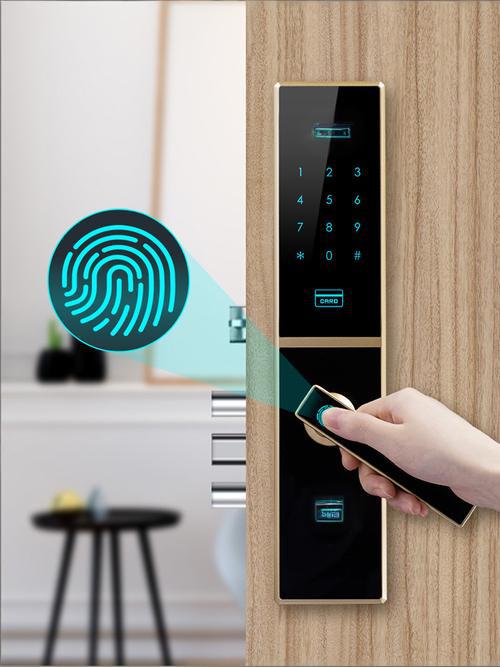
The smart door lock integrates wireless functions such as Bluetooth and Wi-Fi, providing convenient services like remote unlocking and permission management. It has become a popular product in the Canadian smart home market. Due to its wireless communication feature, entering the Canadian market requires passing the ISED IC certification (regulated by the Canadian Innovation, Science and Economic Development Ministry), which is a prerequisite for the product to be sold legally.

This certification is not a voluntary choice but a mandatory requirement under Canadian regulations. All smart door locks with wireless functions must comply with relevant standards for radio frequency and electromagnetic compatibility, otherwise they will not be able to complete customs clearance and be put on the shelves for sale. At the same time, obtaining a certification mark can enhance consumer trust, help the product establish a compliance advantage in the market, reduce the risk of random inspections, and lay the foundation for expanding the North American market.
The certification application requires the following materials:
1. Enterprise documents: Business license (notarized in both Chinese and English), authorization letter for local agent in Canada;
2. Technical documents: Circuit schematic diagram, RF block diagram, product technical specification sheet;
3. Test reports: RF and electromagnetic compatibility test reports issued by an ISED-accredited laboratory;
4. Other materials: English and French bilingual user manual, sample of product label (including the position of the certification number), high-definition photos of the device's exterior and interior.
The certification process mainly includes:
1. Confirming the product category (most smart door locks belong to Category I) and applicable standards;
2. Submitting samples and complete materials to the certification authority;
3. Laboratories conduct tests based on relevant standards such as RSS-247/248;
4. After approval, obtaining the exclusive IC certification number;
5. Marking the number and compliance statement on the product and packaging, and then can enter the market legally. The entire process can be assisted by professional institutions to improve efficiency.
In conclusion, for smart door locks, ISED IC certification is an indispensable compliance pass for entering the Canadian market. Choosing a cooperative partner with experience can assist in preparing documents, coordinating tests, and following up on the review, thereby simplifying the process, helping the product to be launched quickly, and providing a solid foundation for the overseas expansion.