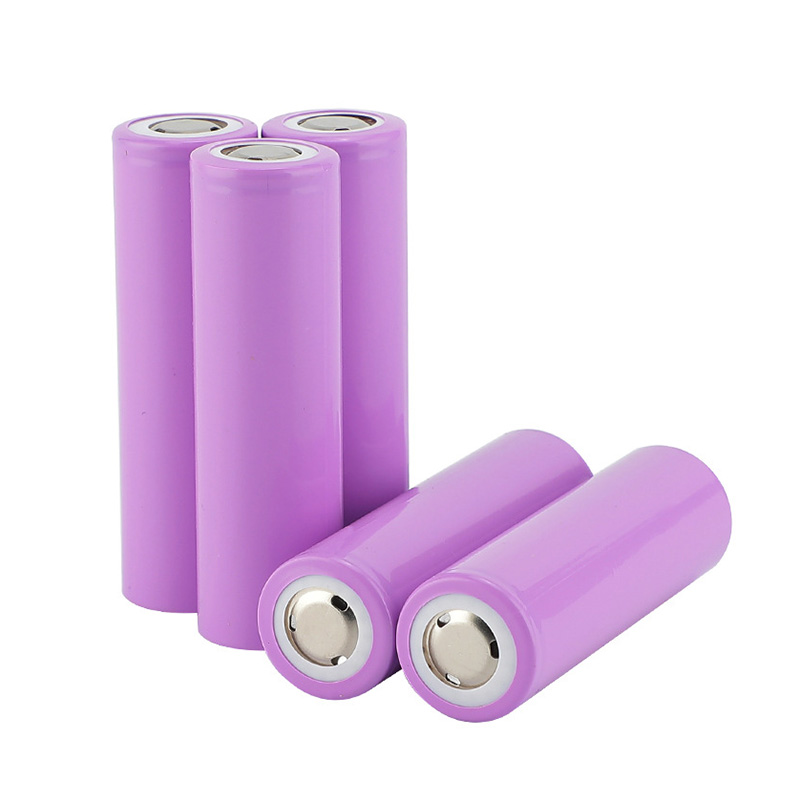
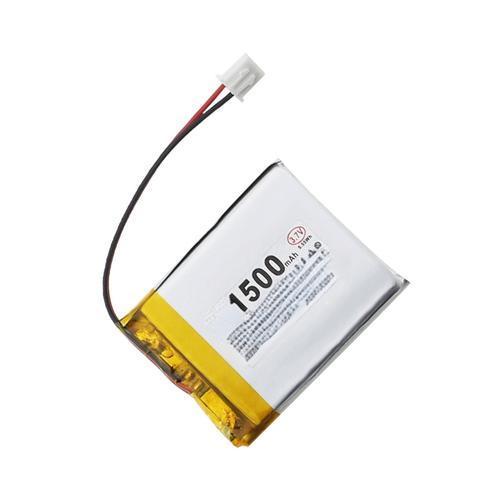
The UL certification for batteries is a safety certification system developed by UL Solutions for battery products. It covers multiple standards such as UL1642 (for lithium batteries) and UL2054 (for household and commercial batteries), and is applicable to various types of secondary batteries and battery packs, including lithium-ion and nickel-metal-hydride batteries. Through simulations of extreme scenarios such as short circuits, overcharging, and compression, the safety performance of the products is verified.
Obtaining the certification is an important prerequisite for batteries to enter the North American market and expand into high-end markets. The North American market regards it as a threshold for entry, and products without certification are prone to being returned by customs and difficult to pass insurance coverage and grid connection audits. At the same time, the certification can enhance product credibility, reduce the risk of safety accidents, and provide advantages for product premium pricing and market competition, as well as reduce the risk of compliance penalties.
The application process requires the preparation of basic materials: application forms, specifications of batteries and cells (including schematics, size diagrams), specifications of key components and UL file numbers, and electronic label tags. Supplementary materials include ISO certificates (if any), UL certificates and reports for cells (if any), and equipment calibration certificates (for new applications). Ensuring the completeness of the materials can accelerate the progress.
The certification process is clear and understandable: first, confirm the corresponding standards and prepare the materials to submit the application; then, send samples to the laboratory to complete all tests as required. If any rectification is needed, it can be optimized and retested. After the tests are passed, it is reviewed by UL, and a factory's first inspection can be coordinated to obtain the certification; subsequently, annual supervision audits are required to maintain the validity of the certification.
The UL certification for batteries is an important guarantee for product safety compliance and a key assistance for entering overseas markets. ZRLK, with its professional team and rich experience, assists enterprises in sorting out materials and following the testing process, helping them obtain certifications efficiently. Choosing a reliable partner can help batteries obtain UL certification more smoothly, calmly seize market opportunities, and avoid detours.