Center Certification & Testing International

Project Introduction
California Proposition 65, the Drinking Water Safety and Toxic Substances Enforcement Act of 1986, was issued in November 1986. Its purpose is to protect California’s residents and the state’s drinking water sources so that the water sources are free from known causes. Cancer, birth defects or other reproductive and developmental hazards, and inform the residents when such substances appear. California Proposition 65 regulates chemicals in California known to cause cancer or reproductive toxicity. More than 700 chemicals have been classified as such chemicals under supervision.
Applicable area
For all products sold in California.
1. Jewelry and toys
2. Electrical devices, glass ceramic materials
3. Clothing, accessories, medicine, pesticides, dyes
4. Cosmetics and gifts
5. Manufacturing or construction supplies, by-products of chemical processes such as automobile exhaust, smoke, natural gas combustion, etc.
3. The core requirements of the proposal: 1. It is not allowed to discharge the hazardous substances listed in the proposal into the cited water. 2. Provide clear and reasonable warnings (the listed substances must be warned, unless the exposure content is extremely low, which will not cause risks).
Purpose meaning
Once a certain chemical substance is included in the list of Proposal No. 65, manufacturers and distributors will have to complete the implementation of the warning within one year, and terminate the discharge of the chemical substance to the source of drinking water within 20 months. After this date, government or individual law enforcers, including individuals or organizations representing the public interest, may take legal action against those who fail to meet the standards.
In the list of about 800 chemical substances listed, consumer products containing lead have received considerable attention in the past few years. Lead was classified as a reproductive toxic substance in 1987, and as a carcinogen in 1992. It affects almost all organs of the human biological system, including the central nervous system (which can cause dementia). Other symptoms include anemia, loss of appetite, abdominal pain, constipation, insomnia, irritability, headache, and fatigue. For children, lead can also affect physical growth and intellectual development.
Regulatory requirements
Common product limits are classified as follows
Adult jewelry
Total lead
(Only test accessible parts)
Textiles in jewelry 200mg/kg
Coated metal (Class 2 material) 60000mg/kg
Uncoated metal (Class 2 material) 15000mg/kg
Plastics, rubber, coated plastics (Class 2 materials) 200mg/kg
Paint, surface coating 90mg/kg
Three types of materials 600mg/kg
Total cadmium
(Only test accessible parts)
Including plastic, coating, metal, etc. 300mg/kg
Phthalic
(Only test accessible parts)
PVC, other soft rubber and synthetic leather 3P: DBP/BBP/DEHP 1000mg/kg/each
Children's jewelry
Total lead
(Only test accessible parts)
Textiles in jewelry 100mg/kg
Substrate 100mg/kg
Paint, surface coating 90mg/kg
Total cadmium
(Only test accessible parts)
Including plastic, coating, metal, etc. 300mg/kg
Phthalic
(Only test accessible parts)
PVC in children's toys and jewelry
7P: DBP/BBP/DEHP/DINP/DNOP/DIDP/DNHP,
DINP/DNOP<1000mg/kg, every other item<600mg/kg
PVC in children's jewelry (not toy jewelry)
5P: DBP/BBP/DEHP/DIDP/DNHP <600mg/kg per item
Non-PVC plastic in children's toys and jewelry
7P: DBP/BBP/DEHP/DINP/DNOP/DIDP/DNHP
Each item <1000mg/kg
Non-PVC plastics in children's jewelry (non-toy jewelry)
5P: DBP/BBP/DEHP/DIDP/DNHP each item<1000mg/kg
Children's products (including toys and childcare products)
Total lead
(Only test accessible parts)
PVC 30mg/kg for long-term skin contact
Paint, surface coating 90mg/kg
Cosmetics in contact with lips include lipstick, lip gloss, lip liner, etc. 5mg/kg
General cosmetics including eye shadow, blush 10mg/kg
Other materials 100mg/kg
Total cadmium
Children's toys (only test accessible parts, including plastic, coating) 300 mg/kg
Children's products for non-children's toys include childcare products (only if requested by the customer) 300 mg/kg
Phthalic
(Only test accessible parts)
PVC in childcare products for children under three years of age
7P: DBP/BBP/DEHP/DINP/DNOP/DIDP/DNHP,
DINP/DNOP<1000mg/kg, every other item<600mg/kg
PVC in toys
7P: DBP/BBP/DEHP/DINP/DNOP/DIDP/DNHP
Non-PVC plastic in toys
7P: DBP/BBP/DEHP/DINP/DNOP/DIDP/DNHP
Each item <1000mg/kg
PVC in general children's products:
5P: DBP/BBP/DEHP/DIDP/DNHP
Each item <600mg/kg
Non-PVC plastics in childcare products for children under three years of age
7P: DBP/BBP/DEHP/DINP/DNOP/DIDP/DNHP
Each item <1000mg/kg
Non-PVC plastics in general children's products:
5P: DBP/BBP/DEHP/DIDP/DNHP
Each item <1000mg/kg
General products (such as headphones, speakers, etc.)
Total lead
(Only test accessible parts)
Plastic (including PVC) in textiles that have been in contact with the skin for a long time, rubber 30mg/kg
Plastics (not including PVC), rubber and plastic wires in textiles not in contact with the skin for a long time, switches 100mg/kg
Non-long-term skin contact with PVC 100mg/kg
Paint, surface coating 90mg/kg
Solder 100mg/kg
Metal 100mg/kg
Cosmetics in contact with lips include lipstick, lip gloss, lip liner, etc. 10mg/kg
General cosmetics including eye shadow, blush 5mg/kg
Textile material 100mg/kg
Other materials 100mg/kg
Total cadmium
(The customer only requires it)
Phthalic
(Only test accessible parts)
PVC in general products
5P: DBP/BBP/DEHP/DIDP/DnHP <600mg/kg per item
PVC in the headphone cord
5P: DBP/BBP/DEHP/DIDP/DnHP each item <100mg/kg
Non-PVC in general products
5P: DBP/BBP/DEHP/DIDP/DnHP each item<1000mg/kg
Testing fee
California 65 testing fee is only charged once for product testing. There is no factory review, no annual review, no annual fee, audit fee and other follow-up costs. The specific price varies according to the complexity of the product, and the cost varies.

Label printers entering the Brazilian market, ANATEL certification is an essential passport! It is the recognition of the Brazilian Telecommunications Authority for the safety and compliance of electronic products, without which products cannot be legally sold.
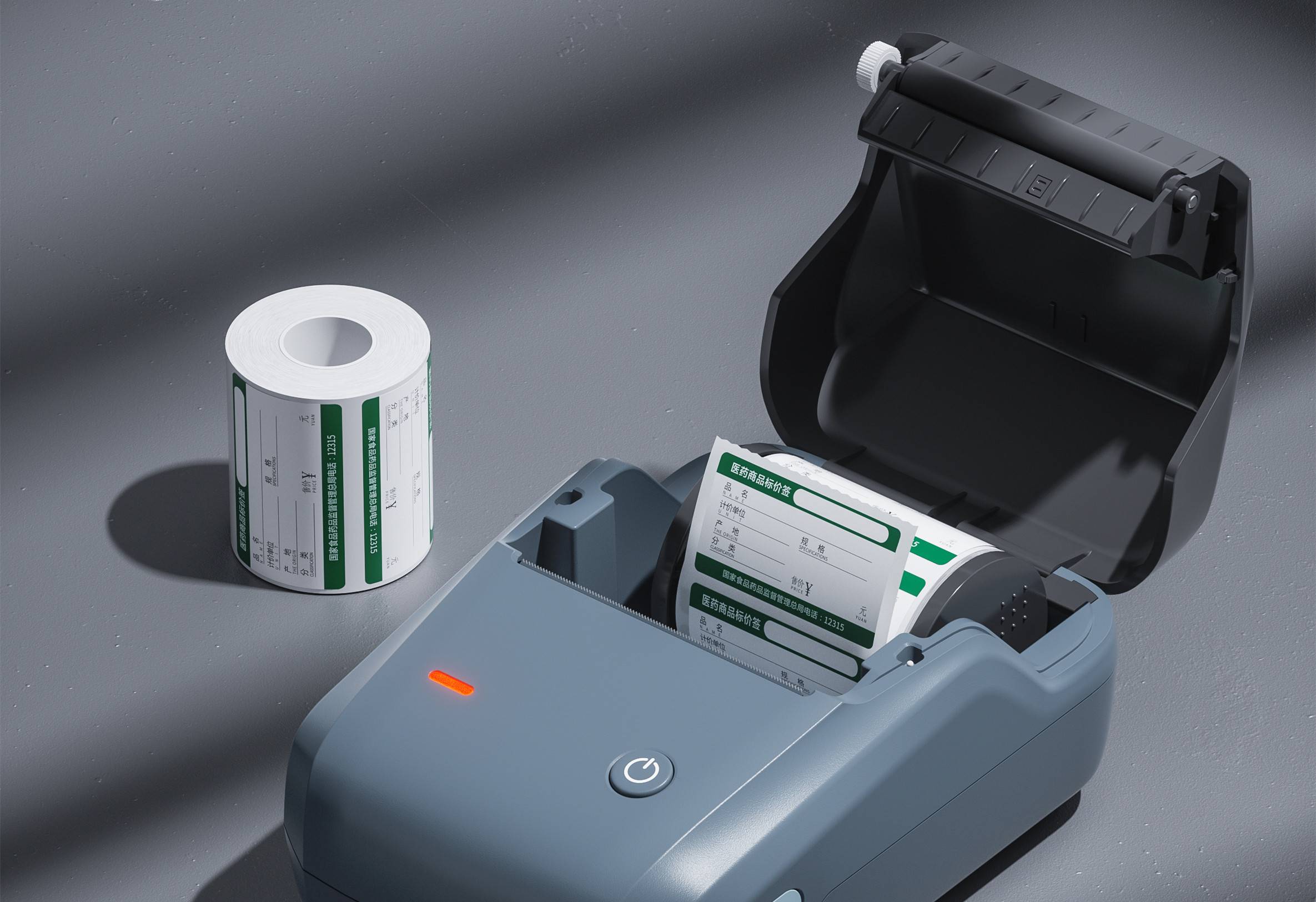
SRRC certification is not only a guarantee of product compliance, but also a key to opening up the market.
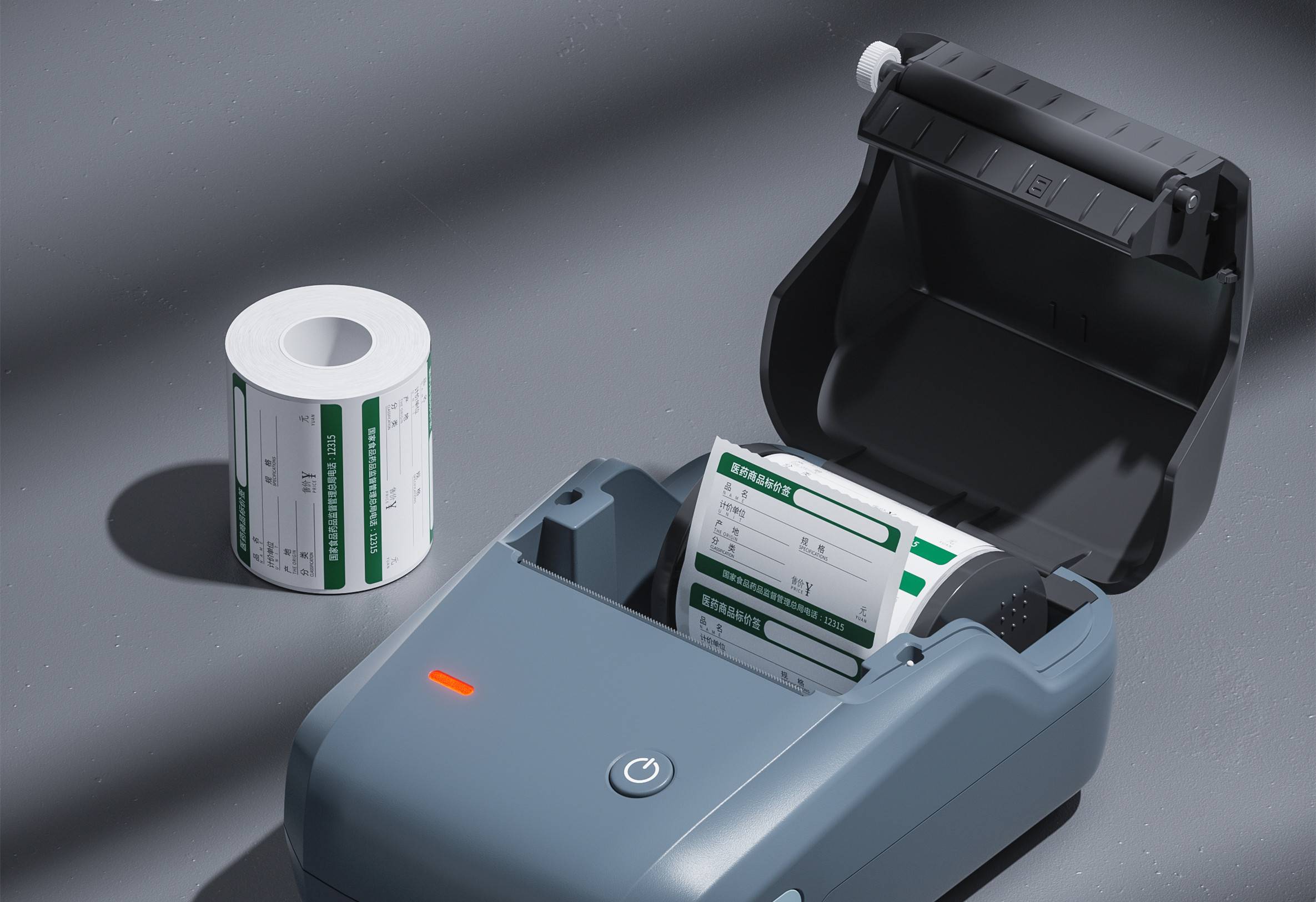
FCC ID certification is a mandatory certification for electronic products by the Federal Communications Commission (FCC) in the United States, and it is essential for label printers to obtain this certification.
California Proposition 65, the Drinking Water Safety and Toxic Substances Enforcement Act of 1986, was issued in November 1986. Its purpose is to protect California’s residents and the state’s drinking water sources so that the water sources are free from known causes.
Get a quote

Tik Tok